
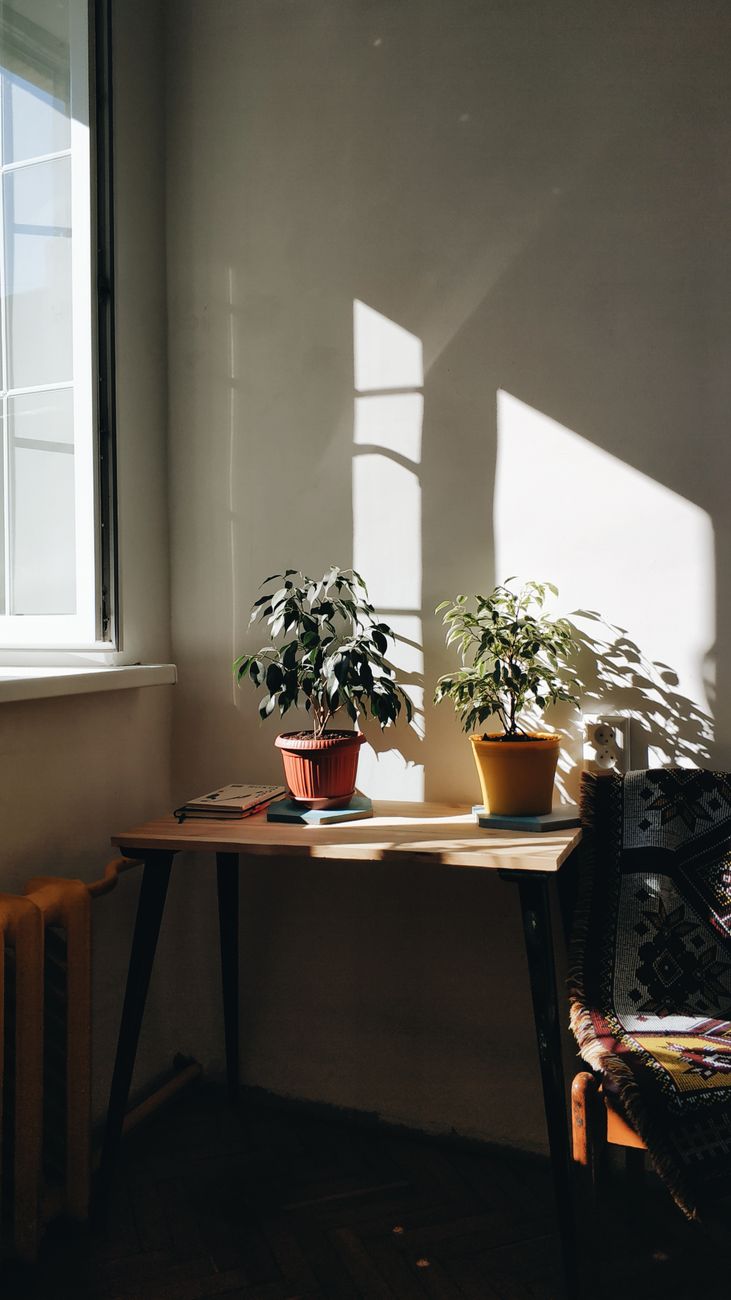
Bringing plants into your home does far more than just elevate your interior decor; it breathes life, color, and tranquility into your living space. For beginners, however, the prospect of keeping indoor plants thriving can feel a bit intimidating. With so much conflicting advice on light, watering schedules, and fertilizers, it is easy to wonder if you possess the elusive green thumb. The secret is that success with houseplants rarely comes down to luck or natural talent. Instead, it relies on understanding a few foundational principles of plant care and observing how your green companions respond to their environment.
Understanding Light Requirements
Light is the ultimate source of energy for your plants, driving photosynthesis and allowing them to grow robust and healthy. Before bringing a new plant home, evaluate the natural light available in your living spaces. Windows facing south typically receive bright, direct light throughout the day, which is ideal for succulents, cacti, and tropical flowering plants. East-facing windows offer gentle morning light, making them perfect for moderate-light species like pothos, monstera, and ferns. West-facing windows provide intense afternoon warmth, while north-facing windows yield soft, indirect light suitable for low-light tolerant varieties like snake plants and ZZ plants.
It is crucial to understand the difference between direct and indirect light. Direct sunlight strikes the foliage directly and can scorch delicate leaves if too intense. Bright, indirect light means the plant sits in an illuminated room near a window, but out of the sun’s harsh beam. If you notice yellowing leaves, slow growth, or stretched stems reaching desperately toward the window, your plant is likely craving more light. Conversely, brown, crisp spots on the foliage often signal overexposure to direct sun rays.
Mastering the Art of Watering
Overwatering is undeniably the most common pitfall for beginner plant parents. While it comes from a place of love, too much moisture chokes plant roots by depriving them of oxygen, leading to root rot—a condition that can quickly prove fatal. Rather than sticking to a rigid calendar schedule, train yourself to check the moisture level of the soil before reaching for the watering can.
The simplest and most reliable technique is the finger test. Insert your index finger about an inch or two into the soil. If it feels completely dry and loose, it is time to give your plant a thorough drink. If moisture clings to your skin and the soil feels cold and damp, wait a few more days before checking again. When you do water, soak the soil evenly until water runs freely out of the drainage holes at the bottom of the pot, ensuring the entire root ball receives hydration.
The Importance of Pots with Drainage
To safeguard your plants against excess water, always choose containers equipped with proper drainage holes. Drainage allows surplus water to escape freely rather than pooling at the bottom of the pot where roots sit. If you fall in love with a decorative cover pot that lacks drainage holes, keep your plant in its plastic nursery pot and nestle it inside the decorative vessel. When watering, simply remove the nursery pot, let it drain completely over the sink, and return it to its outer container.
Choosing the Right Soil and Nutrients
Standard garden soil is too dense for indoor containers, as it compacts easily and retains excessive moisture, suffocating delicate root systems. Always opt for a lightweight, high-quality indoor potting mix specifically formulated for houseplants. These mixes typically contain a balanced blend of peat moss, coconut coir, perlite, and vermiculite, providing excellent aeration and water retention balance.
During the active growing season in spring and summer, indoor plants benefit from periodic feeding. A balanced, water-soluble fertilizer diluted to half the recommended strength provides essential macronutrients like nitrogen, phosphorus, and potassium. Reduce or halt fertilization altogether during the autumn and winter months, as plants naturally enter a dormant phase and require far fewer nutrients.
Maintaining Humidity and Temperature
Most popular houseplants originate from tropical environments, where humidity levels are significantly higher than the ambient air inside a modern home, especially during winter when indoor heating systems dry out the air. Low humidity can lead to brown leaf tips, curling foliage, and increased susceptibility to pests.
You can easily boost humidity around your green companions by grouping multiple plants together, as they naturally release moisture through transpiration. Placing plants on a tray filled with pebbles and water—ensuring the bottom of the pot stays above the water level—also creates a localized microclimate of humidity. Additionally, keep your plants away from cold window drafts, air conditioning vents, and direct radiators, as sudden temperature fluctuations cause stress and leaf drop.
Pruning, Cleaning, and Pest Management
Regular maintenance keeps your indoor jungle looking vibrant and healthy. Dust naturally settles on leaf surfaces over time, blocking sunlight and reducing the plant’s ability to photosynthesize. Periodically wipe larger leaves with a damp cloth or give small plants a gentle shower in lukewarm water. Prune away dead, yellowing, or damaged foliage to encourage healthy new growth and prevent fungal issues.
Keep a vigilant eye out for common indoor pests such as spider mites, mealybugs, and fungus gnats. Inspecting the undersides of leaves and leaf joints during your routine watering session allows you to spot infestations early. If you detect unwanted pests, isolate the affected plant immediately and treat it with insecticidal soap or neem oil until the issue resolves.
Developing a thriving indoor garden is an ongoing journey filled with observation, patience, and gentle adjustments. Every leaf that unfurls is a quiet reward for your care, while occasional setbacks offer valuable insights into what your plants need to flourish. As you get to know the subtle language of your foliage, plant care shifts from a household chore into a grounding, rewarding daily ritual that connects you deeper with nature inside your own sanctuary.